When it comes to purchasing a home, the process can vary significantly depending on the location. In Scotland, the property buying journey is distinctively different from that in England and Wales. From the initial offer to the final sale, various regulations and practices shape how buyers and sellers navigate the real estate landscape. Understanding these differences is crucial for anyone looking to buy or sell property in Scotland.
One of the most notable distinctions in the Scottish property market is the legal framework governing transactions. In Scotland, properties are typically sold through a system known as “offers over,” where potential buyers submit bids above a specified price. This contrasts sharply with the more straightforward asking price system prevalent in England and Wales. Additionally, the conveyancing process in Scotland is different, with solicitors playing a central role in both the legal and administrative aspects of property transactions. Moreover, the concept of “missives”, the formal negotiations leading to a binding agreement which adds another layer of complexity to the buying process.
A key component of the Scottish property market is the Home Report, which is required for all residential properties being sold. This comprehensive document includes an energy performance certificate, a property survey, and a property questionnaire. For sellers, having a Home Report can expedite the selling process by providing potential buyers with essential information upfront. For buyers, it serves as a critical tool for assessing the condition and value of a property before making an offer. Understanding the importance of Home Reports can empower both parties to make informed decisions and facilitate smoother transactions in the Scottish real estate market.
In this guide, we will delve deeper into the intricacies of the Scottish property buying process, highlighting essential steps for both buyers and sellers to navigate this unique landscape effectively.
What is a Home Report?
A Home Report is a mandatory document that has revolutionized the Scottish property market since its introduction in December 2008. This comprehensive assessment provides potential buyers with crucial information about a property before they commit to making an offer, fundamentally changing how property transactions work in Scotland.
The three key components of a Home Report are the Single Survey and Valuation (a chartered surveyor’s assessment of the property’s condition and market value), the Property Questionnaire (completed by the seller covering 16 categories of property information), and the Energy Report (an Energy Performance Certificate showing the property’s energy efficiency and estimated running costs).
At its core, a Home Report is a detailed property assessment document that offers transparency and clarity in what can often be a complex and stressful buying process. Unlike the system in England and Wales, where buyers typically arrange their own surveys after making an offer, Scotland’s Home Report system ensures that essential property information is available upfront to all interested parties.
The responsibility for commissioning and paying for a Home Report lies entirely with the seller. This means that before a property can be legally marketed for sale, the seller must arrange for a qualified chartered surveyor to inspect the property and produce the report. The cost typically starts from £400 and increases depending on the size and complexity of the property, but this investment by the seller can actually speed up the entire sales process.
This upfront approach brings significant benefits to the property market. Sellers can demonstrate transparency about their property’s condition, while buyers can make informed decisions without the uncertainty that often plagues property purchases. The system also helps reduce the number of property sales that fall through due to unexpected issues discovered during later stages of the buying process.
The Home Report requirement applies to most residential properties being sold in Scotland, making it an integral part of the buying and selling experience that both parties need to understand thoroughly.
The Three Key Components Explained

The Home Report in Scotland has three key parts that give buyers a clear view of a property’s condition, value, and energy use.
These are:
- Property Description – details the layout, size, and features of the home.
- Energy Performance Certificate (EPC) – shows how energy efficient the property is and suggests ways to improve it.
- Property Survey – assesses the property’s condition and highlights any issues that may need repair.
Together, these sections help buyers make informed decisions and support a fair, transparent sale.
1. Single Survey and Valuation
The survey portion of the Home Report offers a comprehensive evaluation of the property’s condition. A qualified surveyor inspects the home and identifies any structural issues, necessary repairs, or maintenance concerns. This independent assessment helps buyers gain insight into potential future expenses and informs them about the overall health of the property. By addressing these concerns upfront, sellers can build trust and potentially avoid price negotiations later in the process.
What chartered surveyors look for during inspection
Chartered surveyors conduct thorough inspections of properties to assess their condition, identify any structural issues, and evaluate overall safety. Key aspects they focus on include:
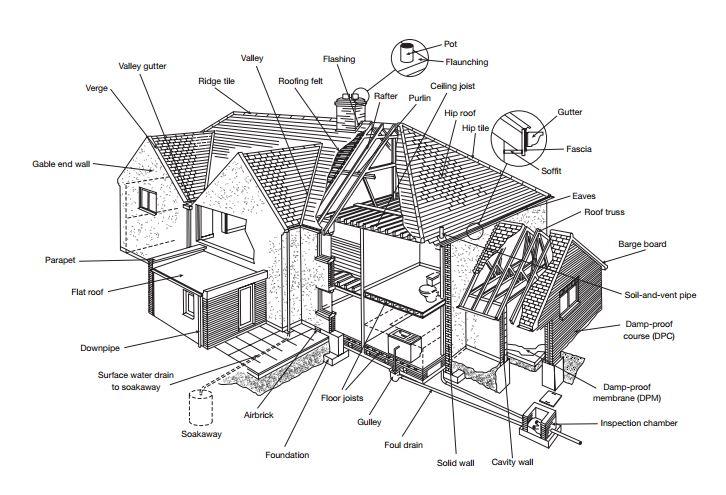
- Structural integrity: Examining the foundation, walls, roof, and floors for signs of damage or deterioration.
- Dampness and moisture levels: Checking for issues like rising damp, penetrating damp, or condensation that could affect the property’s health.
- Electrical and plumbing systems: Ensuring that wiring, fixtures, and plumbing are safe and up to code.
- Insulation and energy efficiency: Evaluating the effectiveness of insulation and heating systems to determine energy performance.
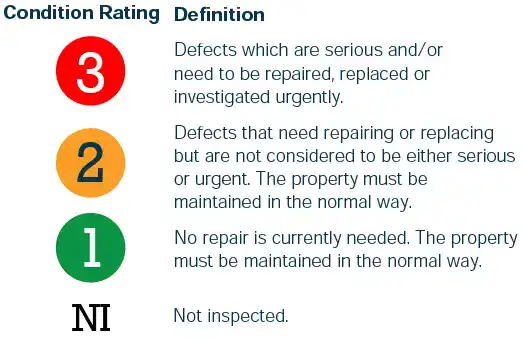
Property condition assessment categories (1-3 rating system)
Chartered surveyors often use a simple rating system to categorize the condition of various elements within a property:
- Category 1: No immediate action required. The element is in good condition and does not need any repairs or maintenance.
- Category 2: Some maintenance is needed. The element shows signs of wear but does not pose an immediate risk. Repairs should be planned for the near future.
- Category 3: Urgent attention required. The element is significantly damaged or unsafe and requires immediate repair or replacement to prevent further deterioration or safety hazards.
Accessibility evaluation
An accessibility evaluation assesses how easily individuals can access and navigate through a property, particularly those with mobility challenges. Chartered surveyors will examine door widths, staircases, ramps, and other features to ensure compliance with relevant accessibility standards. This evaluation is crucial for determining whether modifications may be necessary to make the property more inclusive.
Market valuation vs. mortgage valuation
Understanding the distinction between market valuation and mortgage valuation is essential for buyers and lenders alike:
- Market valuation: This reflects the estimated price a property would sell for in an open market, considering various factors such as location, condition, comparable sales, and current market trends. It provides a comprehensive view of a property’s worth.
- Mortgage valuation: Conducted primarily for lenders, this valuation assesses whether the property is sufficient collateral for a mortgage loan. It typically focuses on the property’s condition and market value but may not provide as detailed an analysis as a market valuation.
How to interpret repair categories (urgent vs. future attention)
When reviewing a single survey report, it’s crucial to understand the implications of the repair categories:
- Urgent repairs: These are issues that require immediate action due to safety concerns or potential further damage. For example, significant structural defects or hazardous electrical problems fall into this category. Buyers should prioritize addressing these issues before moving into the property.
- Future attention: Repairs categorized as needing future attention indicate that while they are not urgent, they will require attention over time. These might include minor cosmetic repairs or maintenance tasks that can be scheduled for a later date but should still be factored into overall ownership costs.
Understanding these categories helps potential buyers make informed decisions regarding property investments and budget appropriately for any necessary repairs or improvements.
2. Energy Performance Certificate (EPC)
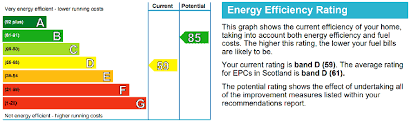
The Energy Report, formally known as an Energy Performance Certificate (EPC), serves as your window into the property’s energy efficiency and long term running costs. This component of the Home Report has become increasingly important as energy prices continue to rise and environmental consciousness grows among homebuyers.
At the heart of the Energy Report lies the energy efficiency rating system, which uses a simple A to G scale similar to the ratings you’ll find on household appliances. Properties achieving an A rating represent the pinnacle of energy efficiency, featuring excellent insulation, modern heating systems, and often renewable energy sources. At the opposite end, G rated properties typically suffer from poor insulation, outdated heating systems, and higher energy consumption patterns. Understanding where a property sits on this scale gives you immediate insight into its environmental performance and potential running costs.
The certificate provides detailed estimates of annual energy costs, breaking down expenses for heating, hot water, and lighting throughout the property. These figures offer invaluable budgeting information, allowing you to factor energy expenses into your overall affordability calculations. A property with an A or B rating might cost £600 annually to run, while a similar sized G rated property could easily cost three times that amount.
Environmental impact receives equal attention in the Energy Report, with estimated CO2 emissions clearly displayed alongside the efficiency ratings. This information proves particularly valuable for environmentally conscious buyers who want to understand their potential carbon footprint. Properties with lower emissions ratings not only benefit the environment but often indicate modern, efficient systems that translate to lower running costs.
Perhaps most practically, the Energy Report includes specific recommendations for improving the property’s energy performance. These suggestions range from simple fixes like upgrading light bulbs to major investments such as installing solar panels or improving wall insulation. Each recommendation comes with estimated costs and potential savings, helping you prioritize improvements based on your budget and expected return on investment.
The real world impact on your monthly bills cannot be overstated. Energy efficient homes consistently deliver lower utility costs, freeing up household income for other priorities. More importantly, implementing the report’s recommendations can dramatically reduce your energy consumption over time. What starts as a G rated property could potentially achieve a C or even B rating with strategic improvements, transforming both your monthly expenses and the property’s market value.
3. Property Questionnaire
The Property Questionnaire is arguably the most detailed component of the Home Report, placing the responsibility firmly on the seller to provide honest and comprehensive information about their property. This isn’t just a formality, it’s a legal document that sellers must complete with absolute accuracy, as any misleading or false information can have serious legal consequences down the line.
The questionnaire is structured around 16 key categories, each designed to uncover important aspects of the property’s history and current status that could influence a buyer’s decision. These categories provide a comprehensive picture that goes far beyond what a visual survey alone can reveal.
Among the most critical areas covered are the property’s council tax band, which directly impacts ongoing costs for the buyer, and any history of significant damage from events like fires, floods, or storms. The questionnaire also addresses the presence of hazardous materials such as asbestos, which is particularly important in older properties where such materials were commonly used in construction.
Structural changes to the property receive special attention, with sellers required to disclose any alterations, extensions, or conversions that have been made. This includes providing details about planning permissions and building warrants, this crucial information helps buyers understand whether work was carried out legally and to proper standards. The questionnaire also covers any specialist treatments that have been applied to the property, such as damp-proofing or timber treatments, along with details of any guarantees or warranties that may transfer to the new owner.
Legal notices affecting the property represent another vital category, encompassing everything from planning applications in the local area to any disputes or enforcement actions that might impact the property’s use or value.
The importance of accuracy in completing this questionnaire cannot be overstated. Sellers who provide false or misleading information face potential legal action from buyers who later discover undisclosed issues. This legal framework ensures that the Property Questionnaire serves its intended purpose of bringing transparency to property transactions, giving buyers the confidence to make informed decisions based on complete and truthful information about their potential new home.
Your Rights as a Buyer
Understanding your legal rights as a buyer in the Scottish property market empowers you to navigate the Home Report process with confidence. These rights exist specifically to protect your interests and ensure you have access to the essential information needed to make an informed purchasing decision.
The law clearly establishes your entitlement to receive a complete Home Report within nine days of making a formal request to the seller or their agent. This legal timeframe applies regardless of whether you’ve made an offer on the property or are simply exploring your options. The complete report must include all three components: the Single Survey and Valuation, the Property Questionnaire, and the Energy Performance Certificate. No seller can legally withhold this information once you’ve made a legitimate request.
When sellers fail to comply with this nine day requirement, you have several courses of action available. Begin by documenting your original request and following up with a formal written reminder that clearly states your legal rights and the deadline that has passed. This creates a paper trail that may prove valuable if the situation escalates. If direct communication fails to resolve the delay, maintain records of all correspondence as evidence of the seller’s non compliance.
Your local Trading Standards office serves as your primary enforcement resource when sellers refuse to cooperate. These consumer protection specialists have the authority to investigate complaints against non compliant sellers and can take formal enforcement action when necessary. Trading Standards officers understand the Home Report legislation thoroughly and can intervene on your behalf, often resolving disputes more quickly than individual buyers could manage alone. Their involvement also signals to sellers that you’re serious about enforcing your rights.
The law provides clear protection for buyers who encounter unreasonable delays or refusals. If a seller fails to provide the Home Report within the legal timeframe, you can withdraw from the purchase process without any financial penalty or legal consequence. This right extends beyond simple delays to situations where the eventual report reveals significant undisclosed issues that materially affect the property’s value or desirability. Document any decision to withdraw clearly and communicate it formally to all parties involved, ensuring your position remains legally sound.
These buyer protections exist because the Scottish Parliament recognized that informed decision making requires access to complete, accurate property information. By understanding and exercising these rights, you ensure that your property purchase proceeds on a fair and transparent basis, with all the information needed to make the right choice for your circumstances.
Exceptions to the Rule
While Home Reports are mandatory for most Scottish property sales, certain properties are exempt from this requirement. Understanding these exceptions helps both buyers and sellers navigate situations where the standard rules don’t apply.
Properties listed for sale before 1st December 2008 remain exempt from the Home Report requirement, as they predate the legislation. New build properties sold off plan or to their first occupier also don’t require Home Reports, since comprehensive property information isn’t yet available for homes still under construction or never previously occupied.
Newly converted properties that haven’t been lived in since their conversion are similarly exempt, along with mixed use properties that serve both residential and commercial purposes. Seasonal holiday homes that can only be occupied at certain times of the year also fall outside the Home Report requirements, though this doesn’t include regular holiday homes that could be used year round.
Additionally, sellers can refuse to provide a Home Report if they genuinely believe a potential buyer isn’t serious about purchasing, lacks sufficient funds, or if they simply prefer not to sell to that particular person. However, sellers cannot discriminate based on protected characteristics under equality legislation.
Energy Performance Certificates Still Required
Even when Home Reports aren’t mandatory, sellers must still provide an Energy Performance Certificate (EPC) to potential buyers. This requirement applies to all property sales in Scotland, regardless of exemptions. The EPC provides essential information about the property’s energy efficiency and estimated running costs, ensuring buyers have at least basic energy performance data to inform their decision.
This means that while some properties escape the full Home Report process, the energy efficiency transparency that Scottish property law seeks to achieve still applies across the board.
How to Use Your Home Report Effectively
A Home Report isn’t just a formality to tick off your property buying checklist. When used strategically, it becomes your most powerful tool for making informed decisions, negotiating effectively, and avoiding costly surprises after you’ve committed to a purchase.
Spotting Red Flags in the Survey
The Single Survey section deserves your closest attention, as this is where potential problems reveal themselves. Pay particular attention to any items marked with a condition rating of 3, which indicates urgent repairs are needed. These aren’t minor cosmetic issues that can wait; they’re problems that require immediate attention and often significant financial investment.
Look for signs of dampness, water damage, or structural movement such as cracks in walls or ceilings. Roof problems, whether missing tiles or more serious structural issues, can lead to expensive repairs and potential mortgage complications. Outdated electrical systems or plumbing installations might not meet current safety standards and could require complete replacement.
The key question to ask yourself is whether any identified issues would prevent you from moving in immediately or require substantial investment before the property becomes habitable. These are the problems that should influence your buying decision most heavily.
Getting Repair Estimates Before Making Offers
Never rely on guesswork when it comes to repair costs. Once you’ve identified potential issues in the Home Report, contact local tradespeople for written quotations. This step provides you with concrete figures rather than vague estimates, allowing you to make informed decisions about whether to proceed with the purchase.
Having detailed repair estimates serves multiple purposes in the buying process. You can accurately budget for necessary work, ensuring you don’t stretch your finances too thin. More importantly, these figures provide solid evidence when negotiating the purchase price, giving you leverage that emotional appeals simply cannot match.
Some buyers skip this step to save time, but this approach often backfires when they discover the true cost of repairs after completing the purchase. A few phone calls to local contractors can save you thousands of pounds and prevent nasty surprises.
Using Valuation Data in Negotiations
The valuation figure in your Home Report carries significant weight in the Scottish property market. This isn’t just an opinion; it’s the figure that mortgage lenders will use to assess the property’s worth for lending purposes. Understanding this gives you a powerful negotiating position.
Compare the Home Report valuation with the seller’s asking price. If there’s a significant gap, you have legitimate grounds to question the pricing. You can use this information to justify a lower offer, particularly in competitive bidding situations where emotions often drive prices beyond reasonable levels.
Remember that mortgage lenders base their lending decisions on the Home Report valuation, not the purchase price. If you pay significantly more than the valuation, you may need to make up the difference with a larger deposit, affecting your overall financial planning.
Understanding Repair Urgency
The Home Report categorizes repairs into different priority levels, and understanding these distinctions helps you prioritize your response. Urgent repairs typically affect safety, security, or weatherproofing and require immediate attention. These might include faulty electrical systems, structural problems, or roof leaks that could cause further damage if left unaddressed.
Future repairs, while important for long term property maintenance, don’t require immediate action. These might include repainting, eventual window replacement, or insulation upgrades that could improve energy efficiency. While you should factor these into your long term budget, they shouldn’t necessarily derail an otherwise good purchase decision.
The key is distinguishing between problems that must be solved before you move in and those that can be planned for over time. This understanding helps you make realistic assessments of both immediate costs and long term property maintenance requirements.
Essential Questions for Your Solicitor
Your solicitor plays a crucial role in interpreting the legal implications of your Home Report findings. Ask them to verify that the seller has completed all required disclosures honestly and completely. This includes checking whether any alterations or extensions mentioned in the Property Questionnaire have proper planning permissions and building warrants.
Discuss how any identified repairs might affect your mortgage application. Some lenders have specific requirements about property conditions, and your solicitor can advise whether any issues might cause delays or complications with your financing.
Consider whether repair costs can be factored into your offer structure. In some cases, you might propose a reduced purchase price that reflects necessary repair work, or you might request that the seller complete certain repairs before settlement.
Your Home Report provides the foundation for informed property purchasing decisions. Take the time to read it thoroughly rather than skimming the summary. The detailed information within can save you thousands of pounds and ensure you buy with complete confidence in your decision.
Common Misconceptions
Despite Home Reports being a cornerstone of Scottish property transactions for over 15 years, several persistent myths continue to mislead both buyers and sellers. Understanding these misconceptions can help you make better decisions and avoid costly mistakes during your property journey.
“Home Reports are just a formality”
This couldn’t be further from the truth. Home Reports contain vital information that can save you thousands of pounds and prevent you from making a disastrous purchase. The Single Survey alone reveals structural issues, dampness problems, and safety concerns that aren’t visible during a casual viewing. The Property Questionnaire uncovers the property’s history, including previous damage, alterations, and legal notices that could affect your ownership.
Treating the Home Report as mere paperwork means missing crucial details about repair costs, energy efficiency, and potential legal complications. Smart buyers use every section to inform their decision making and negotiation strategy.
“The valuation determines the selling price”
While the Home Report valuation provides important guidance, it doesn’t set the property’s selling price. The valuation represents a surveyor’s professional opinion of the property’s market worth, but the actual selling price depends on market conditions, buyer demand, and negotiation between parties.
However, the valuation does carry significant weight with mortgage lenders, who use it to determine how much they’re willing to lend. If you pay substantially more than the Home Report valuation, you may need a larger deposit to secure your mortgage. The valuation gives you solid ground for negotiation, but it’s just one factor in the complex property pricing equation.
“A category 2 repair means the house is problematic”
Many buyers panic when they see category 2 ratings in their Home Report, but this reaction is often unnecessary. Category 2 simply means repairs or replacements will be needed in the future, but there’s no immediate urgency. Most properties, especially older homes, will have several category 2 items.
The key is understanding what these repairs involve and their likely timescale. Replacing windows in five years or repainting exterior woodwork are normal homeownership responsibilities, not red flags. Category 3 ratings indicate urgent repairs, but category 2 items are typically manageable with proper planning and budgeting.
“Energy ratings don’t affect property value”
This misconception is becoming increasingly expensive as energy costs rise and environmental awareness grows. Properties with poor energy ratings face higher running costs, making them less attractive to buyers and potentially harder to sell. A G rated property might cost three times more to heat than an A rated equivalent.
Modern buyers actively seek energy efficient homes to reduce their environmental impact and monthly bills. Properties with good energy ratings often achieve higher sale prices and sell more quickly than their inefficient counterparts. The Energy Report’s improvement recommendations can actually increase your property’s value if implemented thoughtfully.
Understanding these misconceptions helps you approach Home Reports with the right mindset. Rather than viewing them as obstacles or formalities, recognize them as valuable tools that provide transparency and protect your investment in what’s likely to be your largest financial commitment.
Top Tips for Buyers
Making the most of Scotland’s Home Report system requires a strategic approach that goes beyond simply reading the document. These practical tips will help you leverage Home Reports effectively throughout your property search and purchase process.
Request Your Home Report Early
Don’t wait until you’re ready to make an offer before requesting the Home Report. Ask for it as soon as you show serious interest in a property, ideally before or immediately after your first viewing. This early access allows you to spot potential deal breakers before you become emotionally invested in the property.
Early access also gives you time to digest the information properly, research any concerns, and prepare questions for follow up viewings. If you’re viewing multiple properties in a short timeframe, having Home Reports in advance helps you make more informed comparisons and prioritize which properties deserve deeper investigation.
Combine Reports with Personal Investigation
While Home Reports provide comprehensive professional assessments, they shouldn’t be your only source of information. The Single Survey is a visual inspection that can’t reveal everything about a property’s condition. Hidden problems behind walls, under floors, or in inaccessible areas won’t appear in the report.
Schedule thorough viewings where you can examine the property carefully, test taps and light switches, and get a feel for the neighborhood at different times of day. For older properties or those with concerning survey findings, consider commissioning additional specialist surveys for areas like electrical systems, plumbing, or structural integrity. The cost of an independent survey is minimal compared to discovering major problems after purchase.
Budget Realistically for Repairs
Use the Home Report to create a comprehensive repair budget that covers both immediate and future needs. Don’t just focus on category 3 urgent repairs; factor in category 2 items that will need attention within the next few years. This forward thinking prevents financial strain and helps you choose properties that fit your long term budget.
Get actual quotes from local tradespeople rather than relying on rough estimates. Repair costs can vary significantly depending on your location, the property’s accessibility, and current market rates for labor and materials. Building a realistic repair budget into your overall property costs ensures you can maintain your new home properly without financial stress.
Plan for Energy Efficiency
The Energy Report provides valuable data for long term financial planning that many buyers overlook. A property with poor energy efficiency will cost significantly more to run, potentially adding hundreds of pounds to your annual expenses. Factor these ongoing costs into your affordability calculations just as you would mortgage payments and council tax.
Pay attention to the improvement recommendations in the Energy Report. Some upgrades like LED lighting or smart thermostats offer quick returns on investment, while others like solar panels or heat pumps require larger upfront costs but provide substantial long term savings. Planning these improvements helps you budget for upgrades that will reduce your environmental impact and running costs.
Create a Comparison System
When viewing multiple properties, keep all Home Reports organized for easy comparison. Create a simple spreadsheet or filing system that allows you to quickly compare key factors like valuations, repair requirements, and energy ratings across different properties.
This systematic approach prevents you from confusing details between properties and helps you make objective decisions based on facts rather than emotions. Include notes from your viewings alongside the Home Report data to create a comprehensive picture of each property’s pros and cons. This organized approach becomes invaluable when you need to make quick decisions in competitive markets.
These tips transform Home Reports from simple legal requirements into powerful tools for smart property buying. Used strategically, they help you avoid costly mistakes, negotiate better deals, and choose properties that truly meet your needs and budget.
When Things Go Wrong
Even with Scotland’s comprehensive Home Report system, problems can still arise during property transactions. Knowing how to handle these situations protects your interests and helps resolve issues quickly.
Discovering Undisclosed Issues
If you find problems that weren’t mentioned in the Property Questionnaire or spotted during the Single Survey, document everything immediately with photographs and written records. Contact your solicitor straight away, as sellers have a legal obligation to provide accurate information in their Home Report.
For significant undisclosed issues, you may have grounds to withdraw from the purchase, renegotiate the price, or seek compensation. Your solicitor can advise on the best course of action based on the severity of the problem and how it affects the property’s value or safety.
Disputed Valuations
When valuations seem unrealistic compared to market conditions or asking prices, gather evidence to support your position. This might include recent sales of similar properties, independent valuations, or estate agent opinions. Your mortgage lender may accept alternative valuations if you can demonstrate that the Home Report figure is significantly out of line with current market values.
In extreme cases, you can request a review of the Home Report valuation, though this process takes time and doesn’t guarantee a different outcome. Often, negotiating with the seller based on the valuation discrepancy proves more effective than challenging the report itself.
Most Home Report disputes resolve through negotiation and professional advice. Keep detailed records, act quickly when problems arise, and always consult your solicitor before making major decisions that could affect your legal position.
Helping You Get Clarity as a Buyer
As your estate agent, we at Belmont Property want you to feel confident when buying a home.
If something in the Home Report raises concerns, we can help you look into it further. We work closely with trusted local specialists, including:
- Damp and timber surveyors
- Structural engineers
- Asbestos consultants
Already have a builder or tradesperson you trust? As your estate agent, we’re happy to coordinate with them too.
Our role is to support you with clear advice, honest guidance, and access to the right experts so you can make informed decisions.
Final thoughts
Home Reports have fundamentally transformed property buying in Scotland, creating a system that prioritizes transparency and informed decision making. What once was a process fraught with uncertainty and hidden surprises has evolved into a more structured approach that protects buyers while streamlining transactions for everyone involved.
Since their introduction in 2008, Home Reports have significantly reduced the number of property sales that collapse due to unexpected issues discovered late in the process. Buyers now have access to comprehensive property information from the outset, allowing them to make realistic offers based on actual conditions rather than assumptions. This transparency has created a more efficient market where properties are priced more accurately and transactions proceed more smoothly.
For First-Time Buyers
If you’re entering the Scottish property market for the first time, embrace the Home Report system as your ally rather than viewing it as another hurdle. Take time to understand each section thoroughly, don’t hesitate to ask questions, and remember that this document exists to protect your interests. Use it strategically in your negotiations and budget planning, and always seek professional advice when you encounter information you don’t fully understand.
The investment in time spent properly analyzing Home Reports pays dividends in avoiding costly surprises and making confident purchase decisions.
Your Next Steps
With a solid understanding of Home Reports, you’re better equipped to navigate the Scottish property market successfully. Start by identifying properties that interest you, request Home Reports early in your viewing process, and develop a systematic approach to comparing different properties based on the comprehensive information these reports provide.
Remember that buying a property is likely your largest financial commitment, and the Home Report system ensures you make that commitment with your eyes wide open. Use this powerful tool to your advantage, and you’ll find that buying property in Scotland offers a level of transparency and protection that benefits everyone involved in the process.
Ready to Buy? Your Next Steps
Armed with comprehensive knowledge about Home Reports, you’re now ready to approach the Scottish property market with confidence. The key to successful property buying lies in applying this knowledge systematically throughout your search and purchase process.
Make requesting Home Reports your standard first step when seriously considering any property. Don’t let enthusiasm for a particular home cloud your judgment; the information within these reports forms the foundation of every smart buying decision. Remember, you have a legal right to receive this documentation within nine days, so don’t hesitate to exercise that right early and often.
Always Request Home Reports First
Use the Home Report to guide your viewing priorities, budget planning, and negotiation strategy. Properties that look perfect during a brief viewing can reveal significant issues in their reports, while others that seem less impressive initially might prove to be excellent value when you understand their true condition and potential.
Seek Professional Legal Guidance
Throughout your property buying journey, maintain close contact with a qualified Scottish solicitor who understands the intricacies of Home Reports and property law. They can help you interpret complex legal disclosures, assess the implications of survey findings, and navigate any disputes that arise during the transaction process.
A good solicitor doesn’t just handle the legal paperwork; they provide valuable strategic advice that can save you money and prevent problems before they develop into serious issues.
Access Home Reports Easily
If you’re exploring properties with Belmont Property, we’ve streamlined the Home Report process to make your search as efficient as possible. Every property on our website includes direct access to its complete Home Report on the individual listing page, allowing you to download and review the documentation immediately.
For a comprehensive overview of all available properties, visit our dedicated Home Report Documentation page, where you can access Home Reports for our all available properties currently on the market. This centralised resource helps you compare multiple properties quickly and make informed decisions about which homes deserve closer investigation.
With the right knowledge, professional support, and easy access to comprehensive property information, you’re well equipped to navigate Scotland’s unique property market successfully. Take your time, use the available resources, and remember that informed decisions lead to successful property purchases.